Real Estate Websites That Sell Space
How to design real estate and built-environment websites that sell space: strong visuals, useful search, clear location context, and easy enquiries.
 Written byMatt Gemi, Founder, Urest
On this page
Real estate and built-environment websites sell something people cannot walk through before they enquire. That makes the site the substitute for a viewing, and its job is to help a visitor picture the space, understand the location, and take the first step toward seeing it in person. Whether you are marketing a single development or a portfolio of properties, the same principles apply.
What imagery does a property website need?
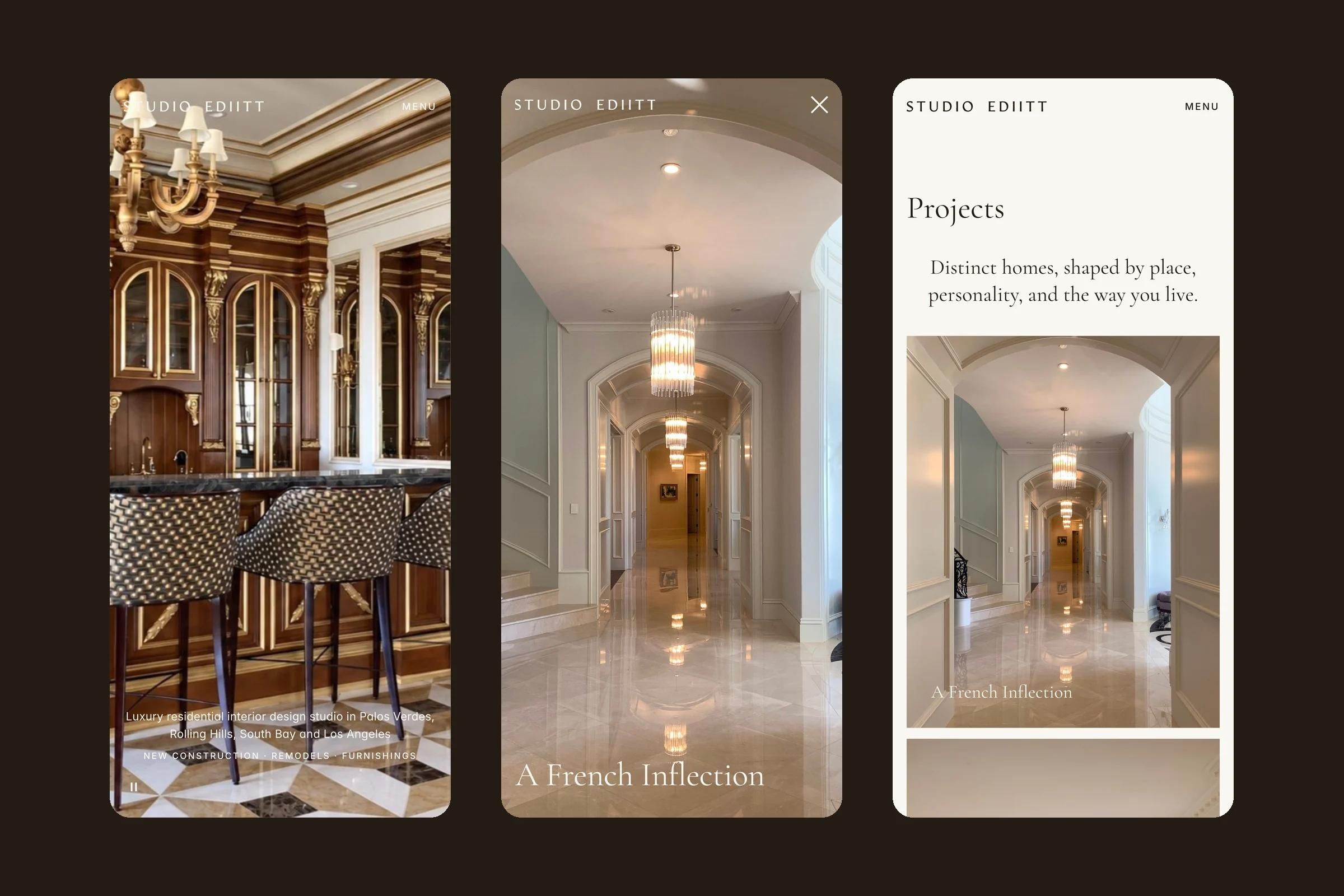
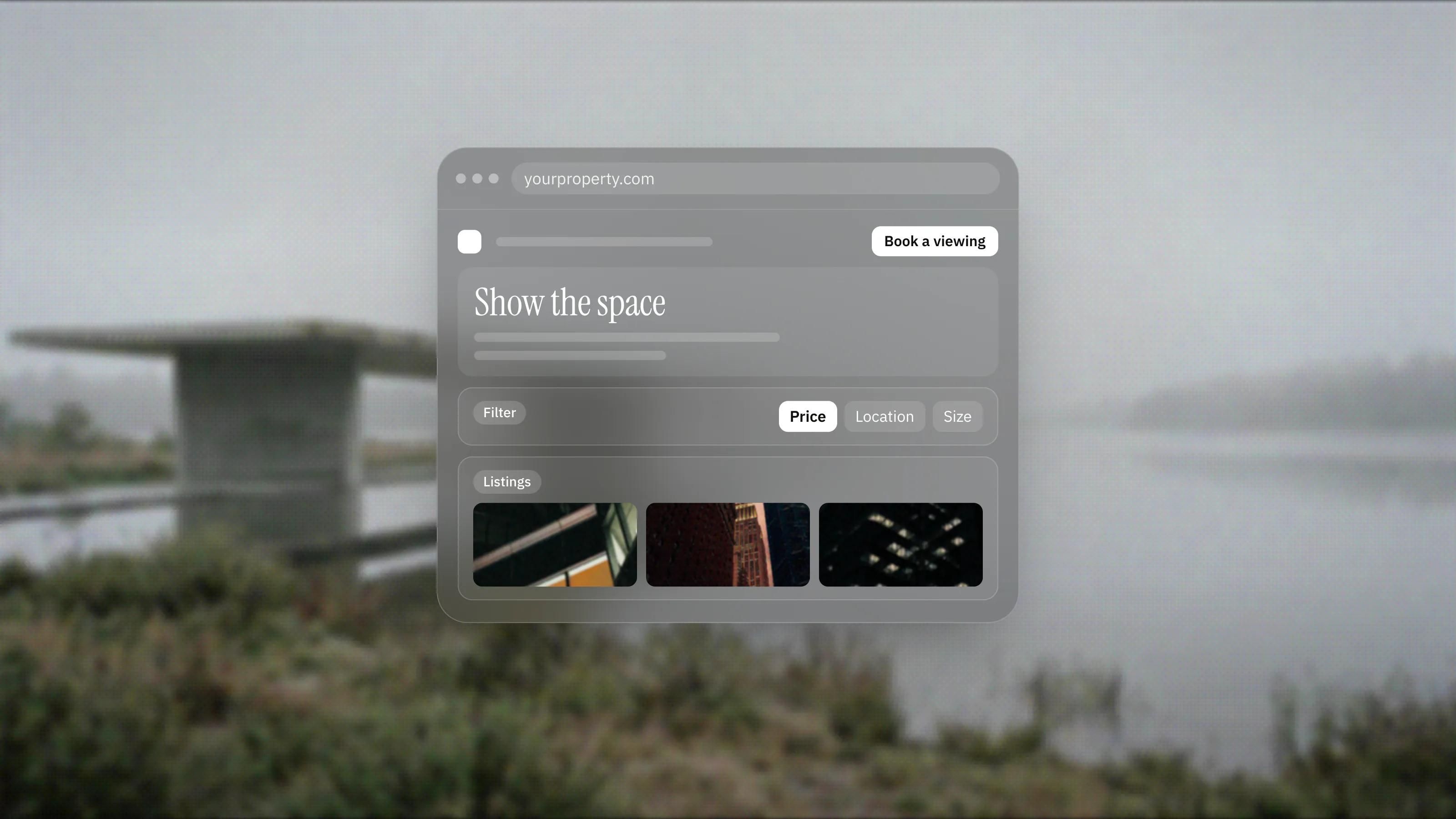
High-resolution photography, and where budget allows, virtual tours or video walkthroughs, because nothing sells a property faster than seeing it well. Good visuals keep visitors engaged and generate more enquiries than description alone. Give the images room to breathe with generous space and an uncluttered layout, which is a hallmark of premium property sites. Cramped, low-quality visuals make even a desirable space look ordinary.
Does a real estate website need property search?
If you are showing more than a handful of listings, search and filtering are essential. Let visitors narrow by the things they actually care about, usually price, location, and size, and keep results fast and clear. A visitor who cannot quickly surface relevant options assumes you do not have what they want, even when you do. Every extra click between someone and the property that suits them is a chance to lose them.
Why does location context matter on a property page?
Buyers and tenants care as much about where a space is as what it is. Providing a map and a sense of the surrounding area keeps people on your site instead of opening another tab to research the neighborhood, which reduces bounce and holds attention. Context like nearby transport, amenities, and the character of the area helps a visitor imagine living or working there, which is the emotional part of the decision.
What should each page ask a visitor to do?
Each page should point toward a single obvious next step, whether that is booking a viewing, requesting details, or contacting an agent. Avoid competing calls to action, cluttered sidebars, and multiple carousels fighting for attention. When a section asks the visitor to do one thing, more of them do it. Clarity of intent beats a wall of options every time.
Why does page speed matter so much for property sites?
Because property browsing happens on the move, and slow pages lose mobile visitors before they see anything. Google's research on mobile pages found that more than half of mobile visits are abandoned when a page takes longer than three seconds to load. Heavy image galleries make this a real danger, so optimisation is not optional. We build most property sites in Framer, which publishes fast, responsive pages and handles image-led layouts well, with a CMS that lets a team add and update listings without a developer.
How does a property website build trust?
Clear agent or developer profiles, honest detail, and straightforward contact routes all reassure a cautious buyer. Real estate involves large sums and real consequences, so credibility matters. The more transparent the site feels, the more comfortable someone is taking the next step with you rather than a competitor who left them guessing.
If you market property or spaces and your site is getting views but not enquiries, the issue is usually clarity, speed, or the path to contact. As a Certified Framer studio covering design, development, and growth, that is exactly what we untangle. Book a discovery call and we will review where your site is losing interested buyers.
Frequently asked questions
Which filters should a property search have?
The things visitors actually care about, usually price, location and size. Keep results fast and clear, because every extra click is a chance to lose someone.
Is a map really necessary on a listing page?
Yes. A map and a sense of the surrounding area, such as nearby transport and amenities, keep people on your site instead of opening another tab to research the neighbourhood.
How many calls to action should a property page have?
One. Point each page toward a single obvious next step, such as booking a viewing, requesting details or contacting an agent, and avoid competing options.
Why is my property site getting views but not enquiries?
The issue is usually clarity, speed or the path to contact. Slow image galleries, cluttered pages and a hidden next step all lose interested buyers.