


About this
Framer stays our default for marketing sites. When a site needs code-level control, a headless CMS or custom integrations, we build it in Astro: pages ship as HTML, JavaScript loads only where something is interactive, and your editors keep working in a CMS such as Sanity.
Our Astro process
Four stages, scoped before we build.
Timelines depend on the content model and the integrations, so we set them with you once the architecture is agreed. Every stage has named outputs, and the content model comes before the templates, not after.
Architecture

We agree the content model, page types, hosting and rendering before any code is written: which pages are static, which need a server, and which parts need JavaScript at all. Outputs: content model, route map, technical scope.
CMS & Content

We set up the headless CMS, usually Sanity, and read it into Astro content collections with schemas, so missing or malformed content fails the build instead of a live page. Outputs: CMS studio, typed collections, content migration.
Build & Integrations
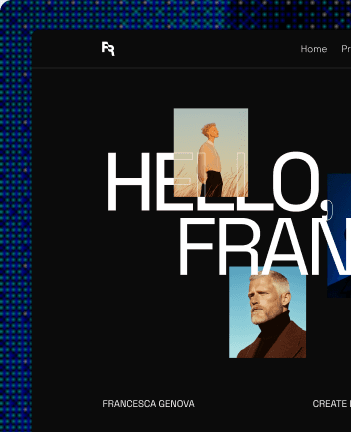
We build the components and templates, add islands only where part of a page has to be interactive, and wire up forms, analytics and APIs. Outputs: component library, page templates, integrations on staging.
QA & Launch

We test across devices, check performance, accessibility and metadata, set up redirects and deploy to your host. Outputs: cross-device QA, redirect map, live site and handover notes.
Common questions
Questions about Astro development.
Everything teams usually ask before the first call.
When should I choose Astro over Framer?
Framer is our default for marketing sites, because it is quick to build and your team can change layouts visually. Astro is the better fit when a site needs code-level control: a headless CMS shared with other channels, custom integrations, its own hosting or strict performance requirements. We will tell you on the first call which side of that line your project sits on.
Can my team edit an Astro site without a developer?
Yes, for content. Editors change text, images, posts and SEO fields in a headless CMS such as Sanity, publish, and the site rebuilds. New page types and layout changes go through a developer, on your team or ours, which is the trade-off for full control of the code.
What makes Astro sites fast?
Astro renders pages to HTML on the server, ahead of time by default, and sends no client-side JavaScript unless a component asks for it. Interactive parts become islands that load on their own, for example only once they scroll into view. Speed still depends on what goes on the page, so we check performance before launch rather than assume it.
Do you build with Astro yourselves?
Yes. urest.agency is built with Astro and Tailwind CSS, with Sanity as the CMS and hosting on Cloudflare. It is the same stack we propose when a client needs it, so the advice comes from running it ourselves.
Where can an Astro site be hosted?
A static Astro build runs on any host that serves files. Pages rendered on demand need an adapter, and Astro maintains official adapters for Cloudflare, Netlify, Vercel and Node.js. We choose the host with you, based on what your team already runs.
Can you move our existing site to Astro?
Yes. Moving from a builder such as Framer or Webflow is a rebuild of the front end rather than an export, but your content, URLs and metadata carry across. We move the content into the new CMS, keep paths identical where we can, redirect the rest permanently and check every page before the domain switches.
Why Urest
Facts we can stand behind.
Only the things we can verify.
Certified Framer Studio
We are a Certified Framer studio, so the platform calls are made by the people who build on it every week.
7+ years in design and growth
The same senior team has been designing, building and growing sites together for more than seven years.
Clients in 17+ countries
We work remotely with B2B and premium service brands across Europe and the US.
One senior team of five, no handoffs
Five senior people, no juniors and no account layer, so no brief gets rewritten on the way through.
All in under one roof
Design, development and growth run as one track instead of three vendors you have to coordinate.
Named outputs at every stage
You always know what you are getting and when, because every stage ships a named deliverable.
Get in touch
A 30-minute call. We will look at where you are, what is not working, and what we would do about it. No deck, no pitch.