How to Build a High-Converting Framer Landing Page
A practical guide to a high-converting Framer landing page: clear structure, fast load, focused CTAs, and A/B testing to prove what works.
 Written byMatt Gemi, Founder, Urest
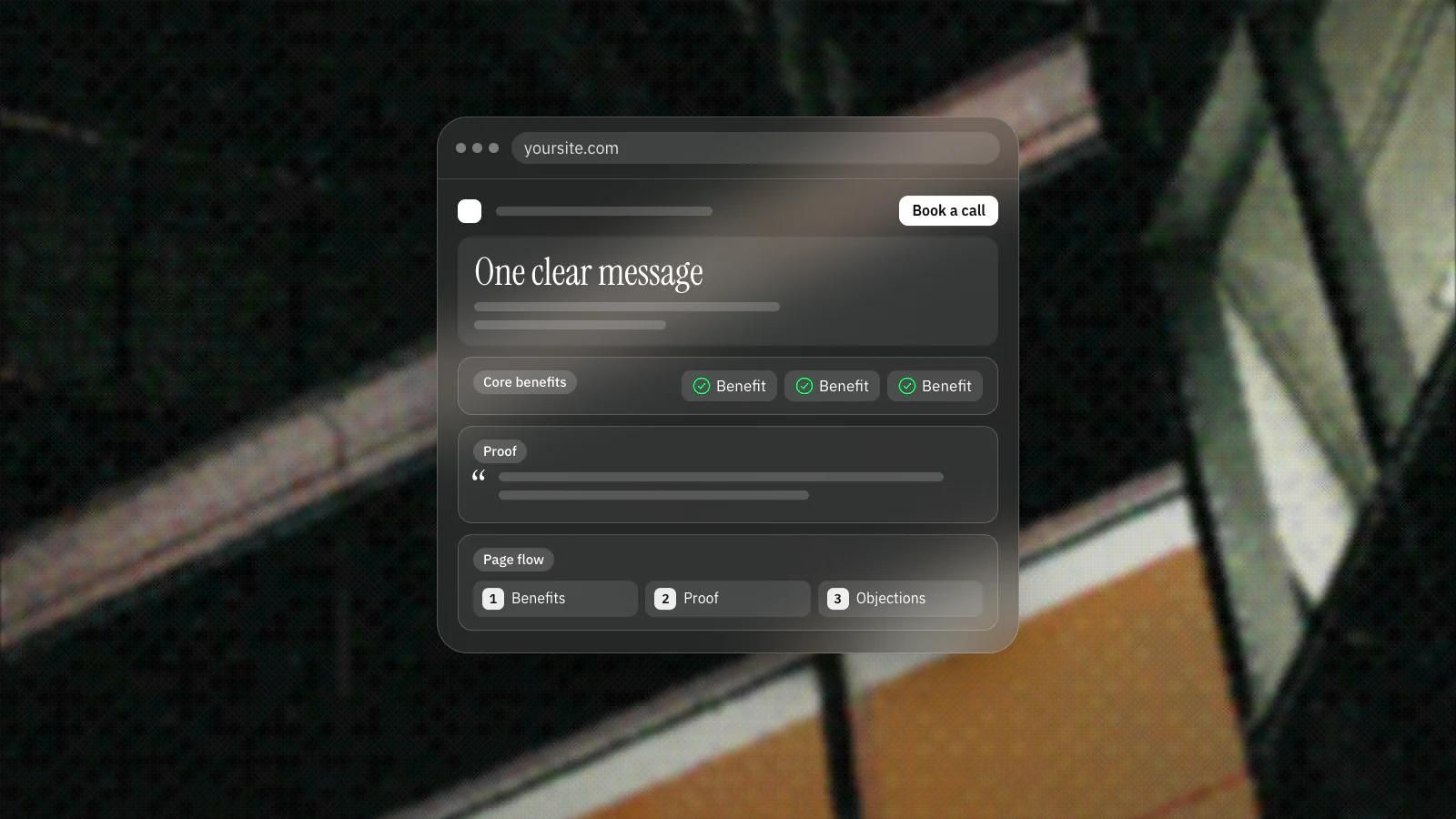
A high-converting Framer landing page comes from getting the fundamentals right, not from clever effects: one clear message, a fast load, an obvious next step, and then testing to confirm what actually works. Framer gives you the tools to do all four in one place. Conversion itself, though, is earned by clarity and relevance, so the design choices below all serve the goal of helping the right visitor say yes.
What should the top of a landing page say?
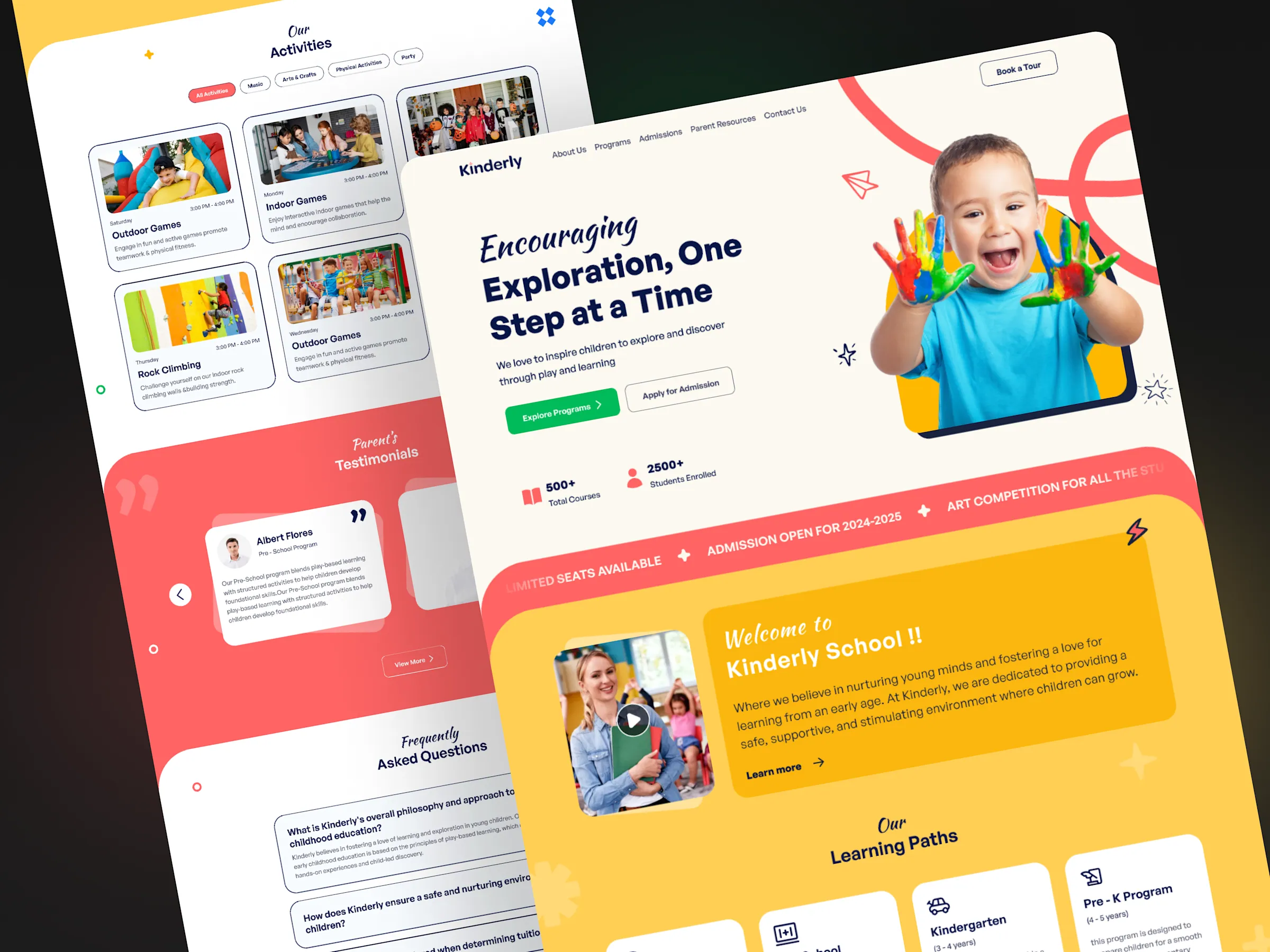
The top of the page has one job: tell visitors what you offer and why it matters, in language they would use themselves. Resist the urge to say everything. A focused headline, a supporting line and a single primary call to action outperform a cluttered hero that hedges across five value propositions. If a visitor cannot tell what you do within a few seconds, the rest of the page never gets read.
How should a Framer landing page be structured?
Every section should move the visitor toward one action, whether that is booking a call, starting a trial or buying. A reliable flow is a clear hero, the core benefits, proof, objection handling, and a final call to action, with the primary button repeated at natural decision points. Framer's section-based layout makes this structure easy to assemble and rearrange as you learn what resonates. Avoid competing calls to action that split attention between two goals.
Does page speed affect conversion?
Speed is a conversion factor, especially on mobile. Framer serves pages through a global CDN with server-side rendering and automatic image optimisation, so the baseline is fast. The catch is that Framer also makes animation effortless, and overloading a page with motion is the most common way people slow their own sites down. Use animation to guide attention, not to decorate every element, and check your mobile performance before you celebrate.
What makes a call to action hard to miss?
Your primary button should stand out visually, use action language that names the outcome, and appear more than once as the page gets longer. Reduce friction around it: ask for the minimum information you actually need, and make the next step feel small and safe. A confident, specific call to action beats a vague "learn more" every time.
Can you A/B test a landing page in Framer?
Yes. Framer offers native A/B testing through its Convert add-on, available for sites on the Pro and Enterprise plans, letting you test up to five versions of a page, including the original, and measure conversions without writing code. Even strong instincts are wrong sometimes, which is why testing matters. One useful thing to know: the tracking is cookieless and its anonymous identifier resets daily, so conversions are only measured within the same day, which suits landing pages where the decision happens in one visit. Test one meaningful change at a time, like the headline or the offer, so you learn what actually moved the numbers.
Build on evidence, not opinion
The best landing pages are iterated, not launched and forgotten. Ship a clear, fast first version, watch how real visitors behave, and refine the message and layout based on what the data tells you. That loop of build, measure and improve is where conversion rates actually climb. At Urest we pair Framer builds with growth work across design, development and growth as one senior team, so the page is not just handsome but tuned to convert. If you want a landing page built to earn its traffic, book a discovery call.
Frequently asked questions
What makes a Framer landing page convert?
One clear message, a fast load, an obvious next step and testing to confirm what works. Framer gives you the tools, but conversion is earned by clarity and relevance.
Which Framer plans include A/B testing?
A/B testing comes with Framer's Convert add-on, which is available for sites on the Pro and Enterprise plans.
How long do Framer A/B tests follow a visitor?
Only within the same day. The tracking is cookieless and its anonymous identifier resets daily, so it suits pages where the decision happens in one visit.
Can animation hurt a landing page?
It can if it slows the page down, especially on mobile. Use animation to guide attention, not to decorate every element, and check mobile performance before launch.