
5 Reasons to Choose Shopify: Checkout, Apps, Themes, Payments and Markets
Five parts of Shopify that drive most buying decisions: the checkout, the App Store, themes, Shopify Payments and Markets. What each one does, what Shopify claims for it, and the catch to know about.
 Written byMatt Gemi, Founder, Urest
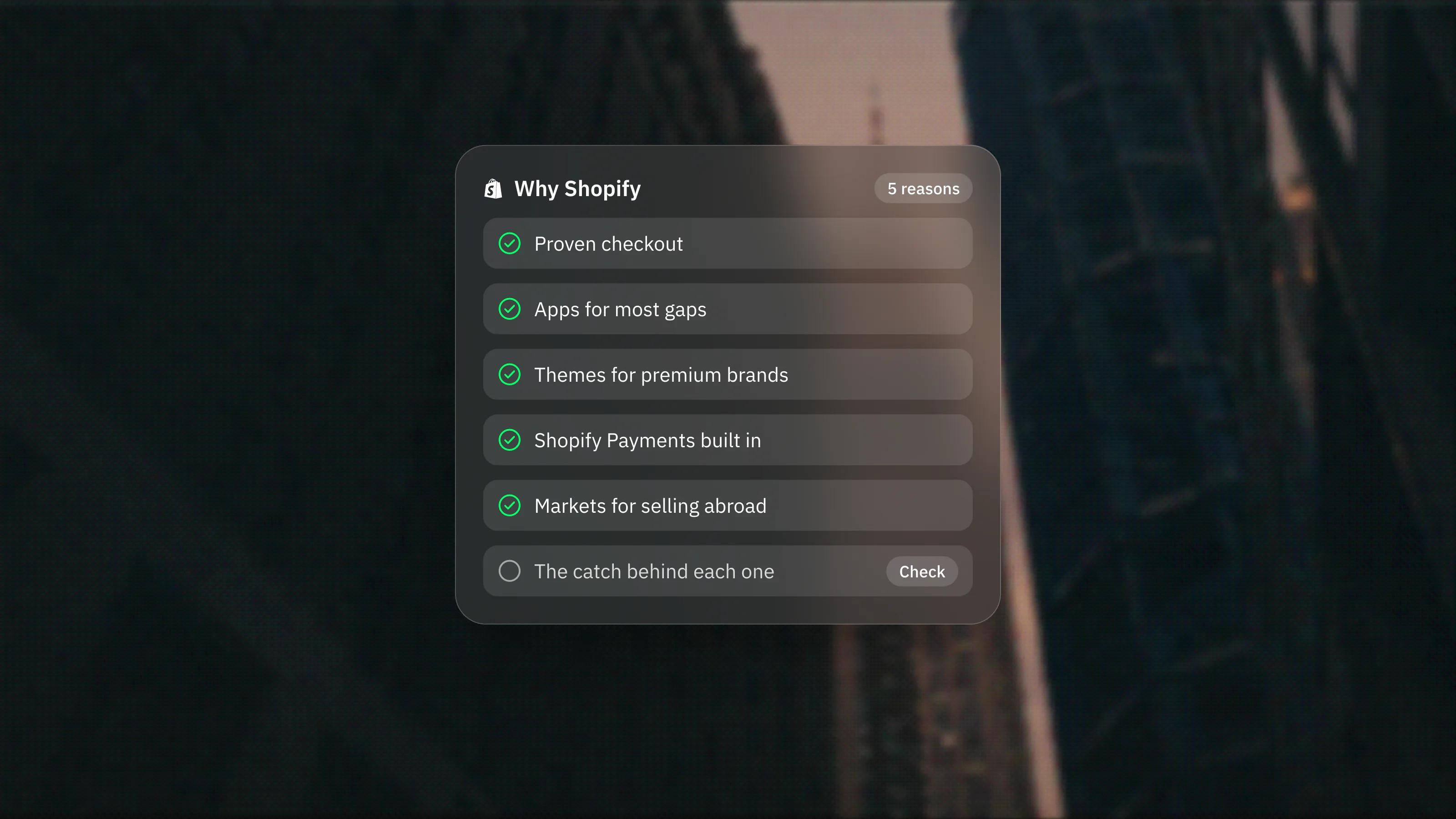
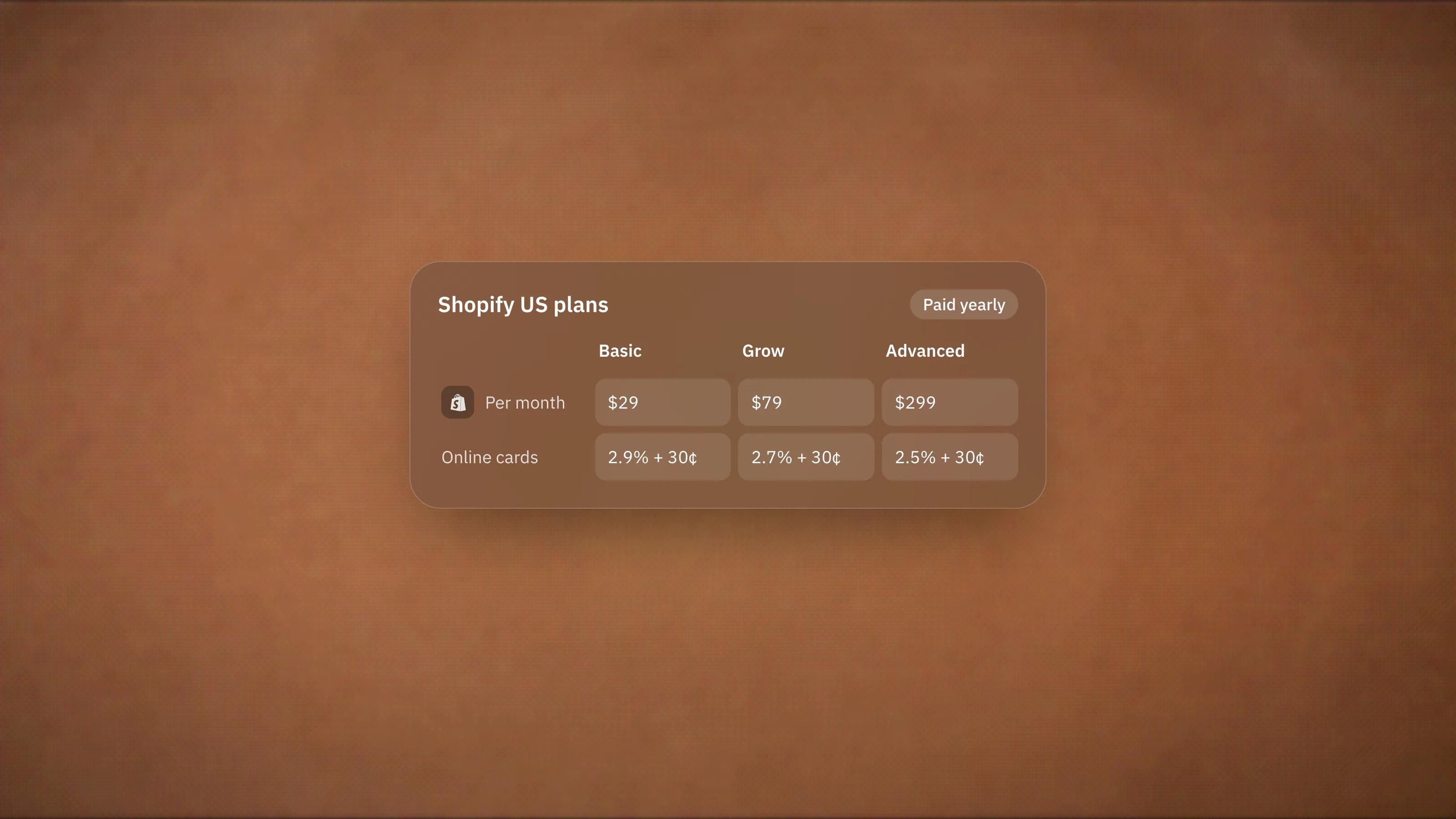
Most of the reasons to choose Shopify come down to five parts of the platform: the checkout, the App Store, the themes, Shopify Payments and Shopify Markets. Below is what each one does, what Shopify itself claims for it, and the catch you should know about, based on Shopify's own pages as of 3 November 2026. If you are still deciding whether Shopify fits your business at all, start with our guide to who Shopify suits and who it does not.
1. Why does the Shopify checkout matter so much?
Because the checkout is where the sale is won or lost, and Shopify runs it for you. You do not design, host or secure the payment step yourself, and every store gets the same checkout that Shopify maintains.
On its checkout page, Shopify says its checkout converts an average of 15% better than the competition, and up to 36%, citing a study completed in April 2023 with a large global consulting firm it does not name. Treat that as a vendor claim, not a guarantee. What is easier to rely on is the feature list: express checkouts such as Shop Pay, PayPal and Apple Pay, and a checkout editor where any merchant can change colours, fonts and logo.
The catch: deeper checkout changes are a Plus feature. The plan comparison lists checkout customisation as limited on Basic, Grow and Advanced and full on Plus, and Shopify says advanced visual customisation and the Checkout Branding API are for Plus subscribers. Shop Pay is also only available in certain countries.
2. What can Shopify apps add to a store?
Almost anything a store commonly needs, from reviews and subscriptions to shipping rules and loyalty. The Shopify App Store says it lists over 16,000 apps, and that every app goes through a 100-checkpoint review before it is listed. Apps that carry the Built for Shopify badge meet Shopify's own standards for performance, design and integration.
The practical benefit is speed. A feature that would take weeks to build as custom software is often an app install and an afternoon of setup. Developers can also build checkout apps and custom apps through Shopify's APIs when nothing off the shelf fits.
The catch: apps cost money and add weight. Shopify's billing help explains that recurring app charges are added to your Shopify bill on a 30-day cycle, usage-based charges are added to a later bill, and one-time charges are invoiced separately. We review every app against a simple test: does it earn more than it costs, in money and in page speed?
3. Are Shopify themes good enough for a premium brand?
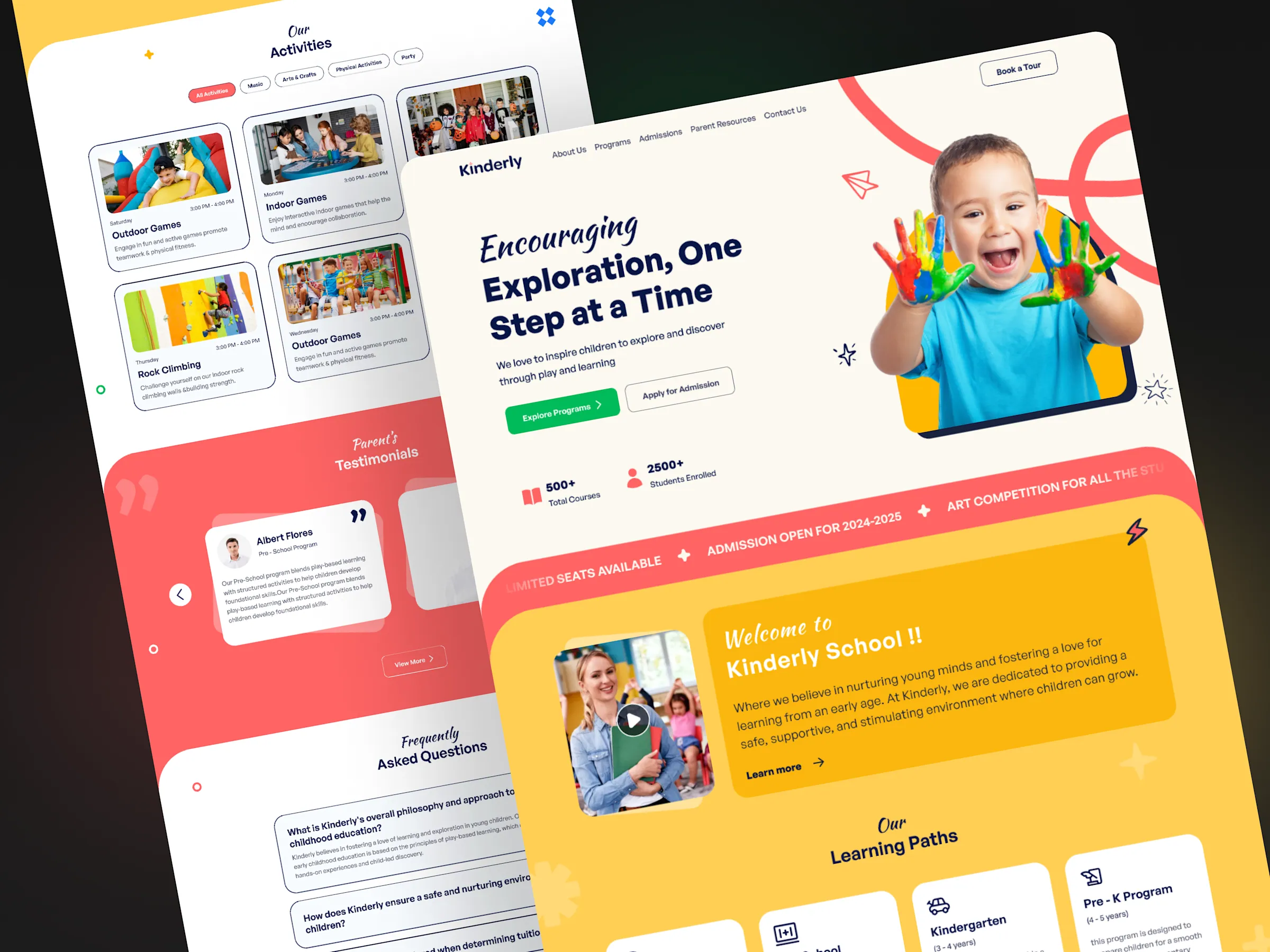
A good theme is a strong starting point, and a custom theme can look as considered as any bespoke site. The Shopify Theme Store offers free and paid themes. On the day we checked, the paid themes featured on its home page were priced between $200 and $420 USD, which is a one-off cost compared with building a storefront from scratch.
Shopify also lets you try before you buy. Its help article on adding themes says you can preview a paid theme in your admin, customise it with your own colours and products, and keep those changes if you buy. You can preview up to 19 paid themes at the same time.
The catch: on trial you cannot edit the theme code. Purchases of third-party themes are final sale, and a theme is licensed to the one store that bought it. Our advice is to pick a theme for its structure and features, not its demo photography, because the photos will be replaced and the structure will not.
4. Why use Shopify Payments instead of another provider?
Because it removes a fee and unlocks features. When you use a provider other than Shopify Payments, Shopify adds a third-party transaction fee on each order, set by your plan, and its help article on third-party providers says that fee applies even when Shopify Payments is also switched on. PayPal is the stated exception when Shopify Payments is your primary provider.
Shopify says Shopify Payments lets you accept cards, wallets, instalments and crypto, in over 130 currencies, and that Shop Pay gives up to 50% higher conversion than guest checkout, based on an April 2023 study. The pricing page also marks built-in fraud analysis, local currency prices and local payment methods as requiring Shopify Payments.
The catch: Shopify Payments is only available in certain countries and business categories. Check the supported list before you plan around it.
5. Can Shopify Markets really replace separate stores per country?
For many brands, yes. Shopify Markets lets you run several countries or regions from one store, so you keep one catalogue, one stock count and one admin instead of a store per country.
Shopify says each market can have its own currency, language, and either its own domain or a subfolder, plus its own product range and pricing. A "View as" option shows what a shopper in each market sees. The plan comparison also lists estimating and collecting duties and taxes under selling globally.
The catch: showing prices in local currencies and accepting local payment methods require Shopify Payments, according to the pricing page. Translation quality and local SEO are still your job. A translated storefront with machine-quality copy will not win in a new market just because the currency is right.
So, is Shopify worth it?
If you sell products and want these five things working on day one, it usually is. Shopify gives you a checkout, an app ecosystem, themes, payments and international selling that would cost far more to build yourself. Where it pays to be careful is the total cost: plan, card rates, apps and any third-party fees together.
We build and customise stores through our Shopify design and development service, and once a store is live our ecommerce ads management team can bring in traffic that the checkout can convert.
Frequently asked questions
Does every Shopify plan get the same checkout?
Every plan gets Shopify's checkout with express payment options and basic branding in the checkout editor. Shopify lists full checkout customisation and the Checkout Branding API as Plus features, so lower plans have limited customisation.
How many apps are in the Shopify App Store?
Shopify says the App Store has over 16,000 apps, each reviewed against a 100-checkpoint list before it is published. Apps are billed separately from your plan.
Can I try a paid Shopify theme before buying it?
Yes. You can preview and customise a paid theme in your admin before buying, and keep your changes if you buy. You cannot edit theme code during the trial, and third-party theme purchases are final sale.
Do I need Shopify Payments to sell internationally with Markets?
You can create markets without it, but Shopify lists local currency prices and local payment methods as requiring Shopify Payments, so most international setups need it switched on.