
How to Show Up in Google's AI Overviews
AI Overviews run on Google's core ranking systems plus Gemini. Here is what actually helps you get cited, and what to ignore, in 2026.
 Written byMatt Gemi, Founder, Urest
On this page
To show up in Google's AI Overviews, you need pages that Google's ordinary ranking systems already trust, written so a passage can be lifted to answer a question. There is no separate AI Overviews algorithm to game and no special file to submit. Google has been explicit about this, and it changes how you should spend your effort.
How AI Overviews actually work
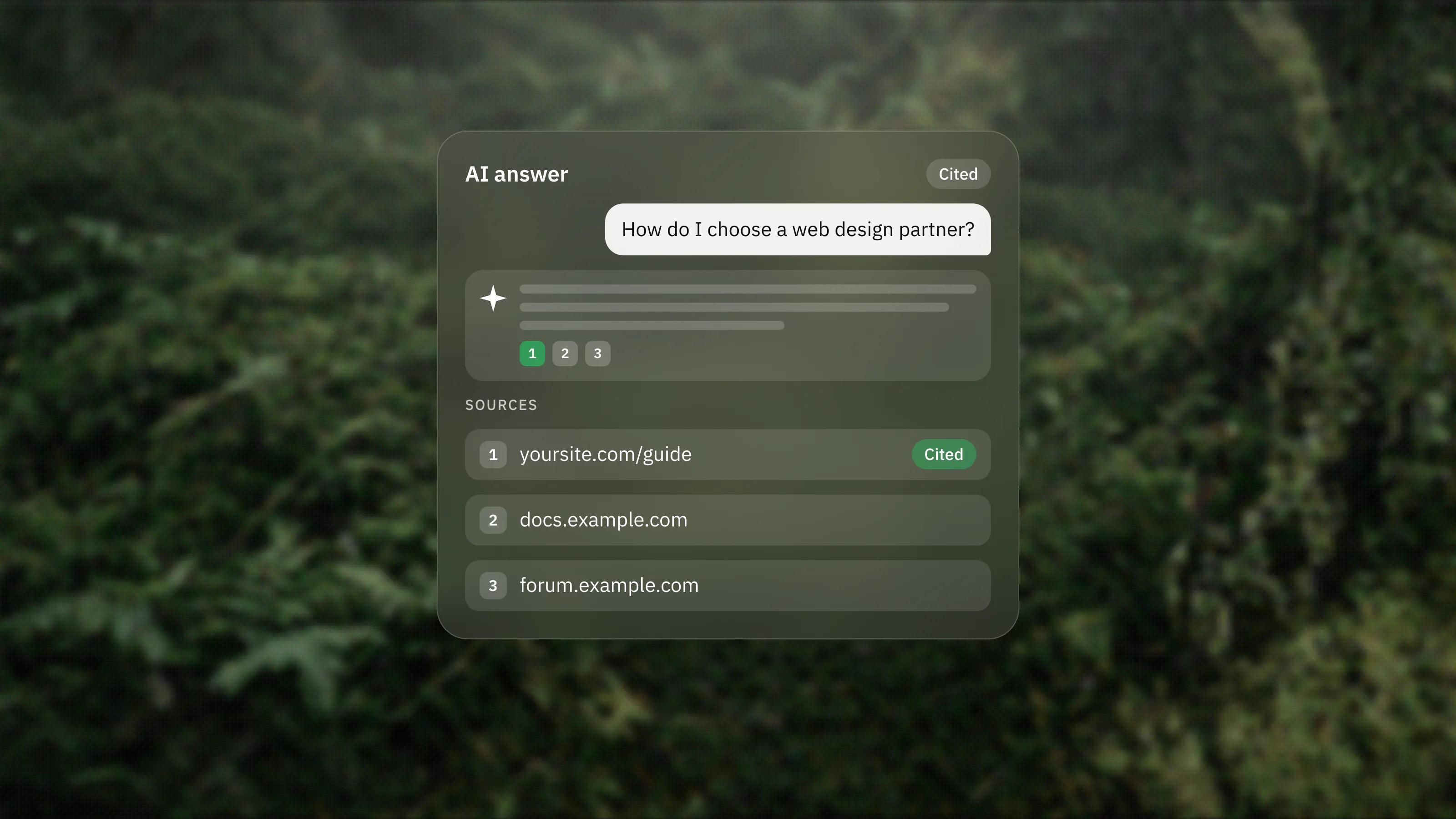
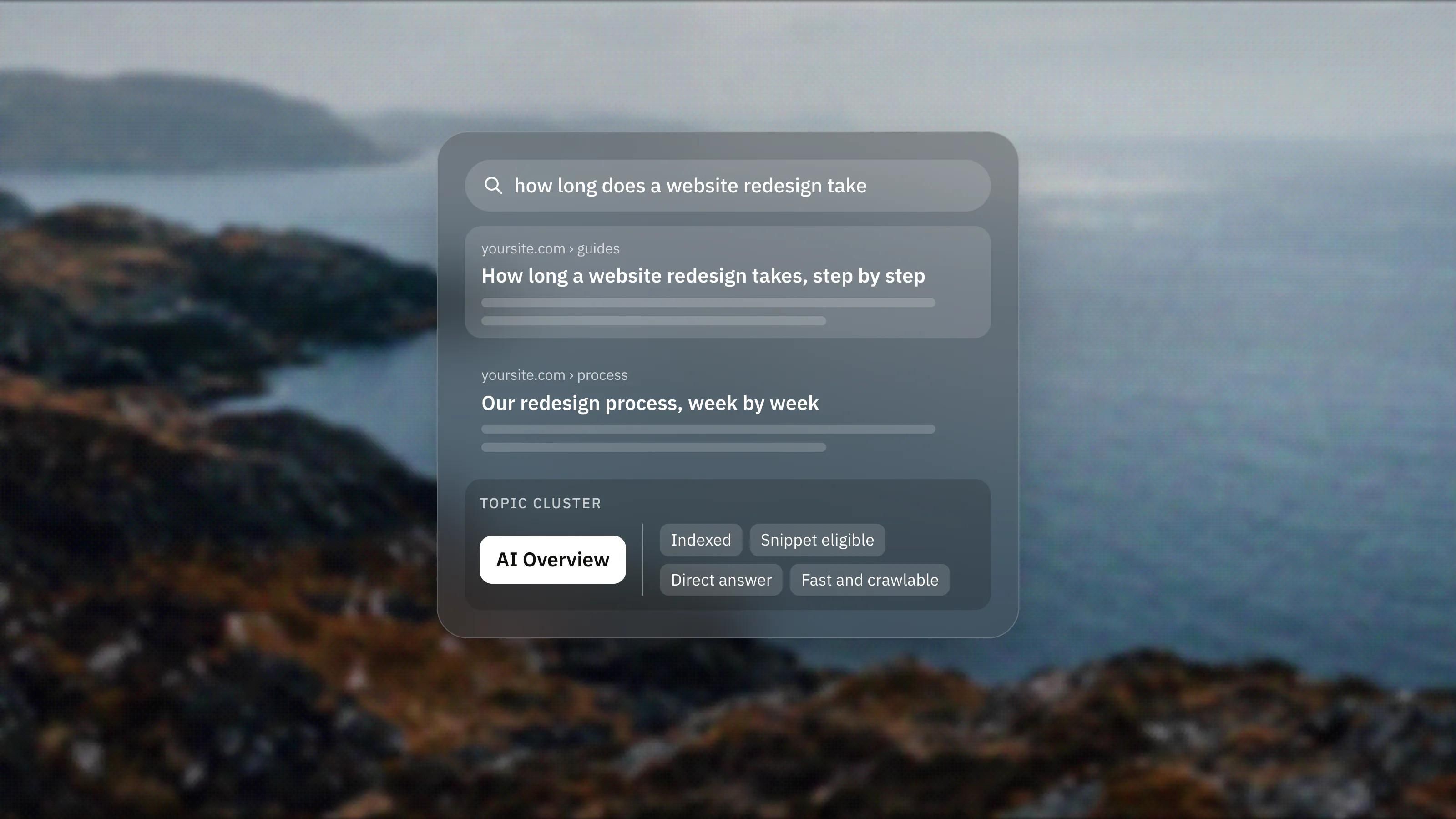
Google's own documentation on AI features and your website says the best practices for SEO remain relevant for AI features such as AI Overviews and AI Mode, and that these features may use a query fan-out technique, issuing multiple related searches across subtopics. To be shown as a supporting link, a page must be indexed and eligible to appear in Search with a snippet. That is why solid SEO is the entry ticket rather than a side quest.
What Google says you do not need
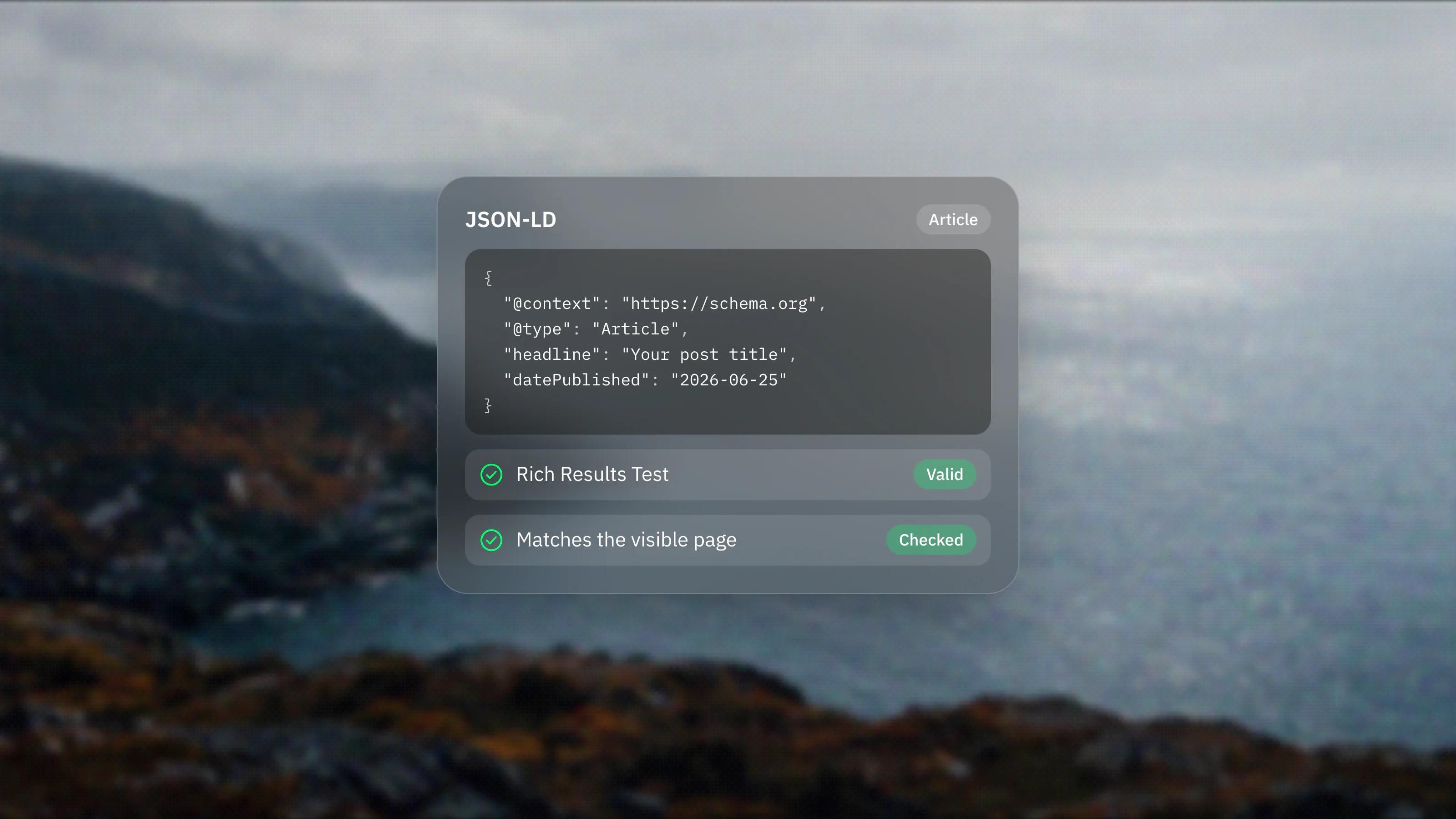
This part saves you time and money. Google's own guidance states plainly that you do not need to create machine readable files, AI text files or special markup to appear in its AI features, and that there is no special schema.org structured data you have to add. If a tool or agency promises AI Overview placement through a proprietary file or a paid submission, treat that as a red flag.
What actually helps
The levers that hold up are unglamorous and effective:
- Answer the question directly. Put a clear, self contained answer near the top of the relevant section, phrased in plain declarative language under a heading that matches the question.
- Structure for extraction. Use descriptive headings, short focused paragraphs and lists where they fit, so a passage reads correctly out of context.
- Build genuine authority. Depth, accuracy and real experience (Google's E-E-A-T framing) make your page a safer source to cite.
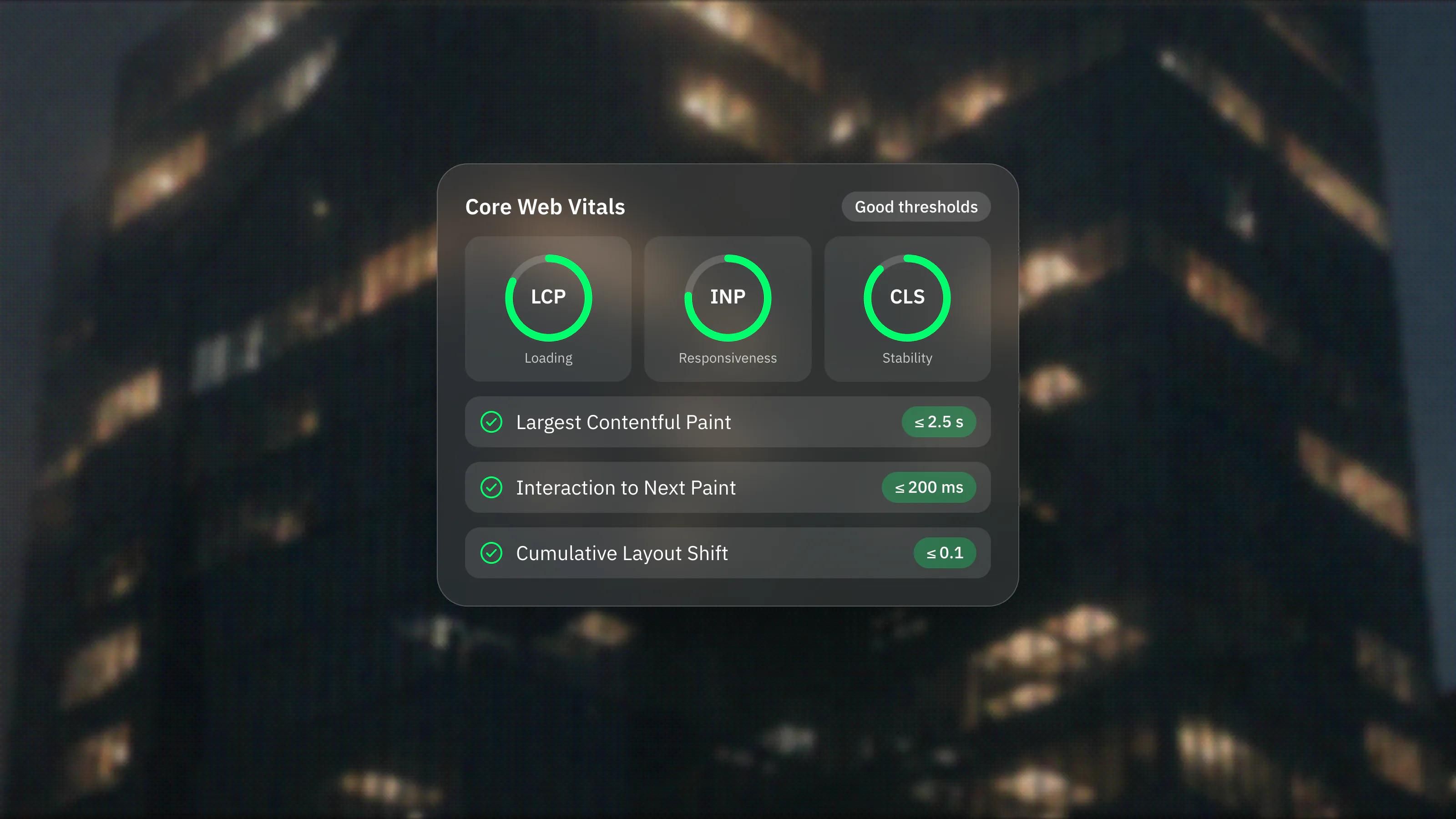
- Stay crawlable and fast. Confirm the page is indexable, loads quickly and renders its content without blocking scripts.
- Cover the topic properly. Comprehensive pages that resolve the whole question tend to get pulled over thin ones.
You do not have to rank first
Google says its AI features display a wider and more diverse set of helpful links than classic search, and that a single question can trigger several related searches. Your page can be pulled in for a sub-question you never targeted. That is genuinely good news for smaller sites with sharp, well structured content, because clarity can beat sheer size.
How to check and improve
Search your target questions and see what AI Overviews currently show and cite. Read those cited pages and note how directly they answer. Then revisit your own page: is the answer easy to find, is it self contained, is the page fast and crawlable, does it read as credible. Fix those, and you are doing the real work that AI Overviews reward. Remember that AI Overviews are still evolving, so keep observing rather than assuming today's behaviour is permanent.
We build and tune sites for exactly this at Urest, with clean structure and fast performance baked into the Framer, Webflow or custom builds we ship. If you want a page by page review of how well your site is positioned, book a discovery call and we will take a proper look.