
How to Get Cited by ChatGPT and AI Assistants
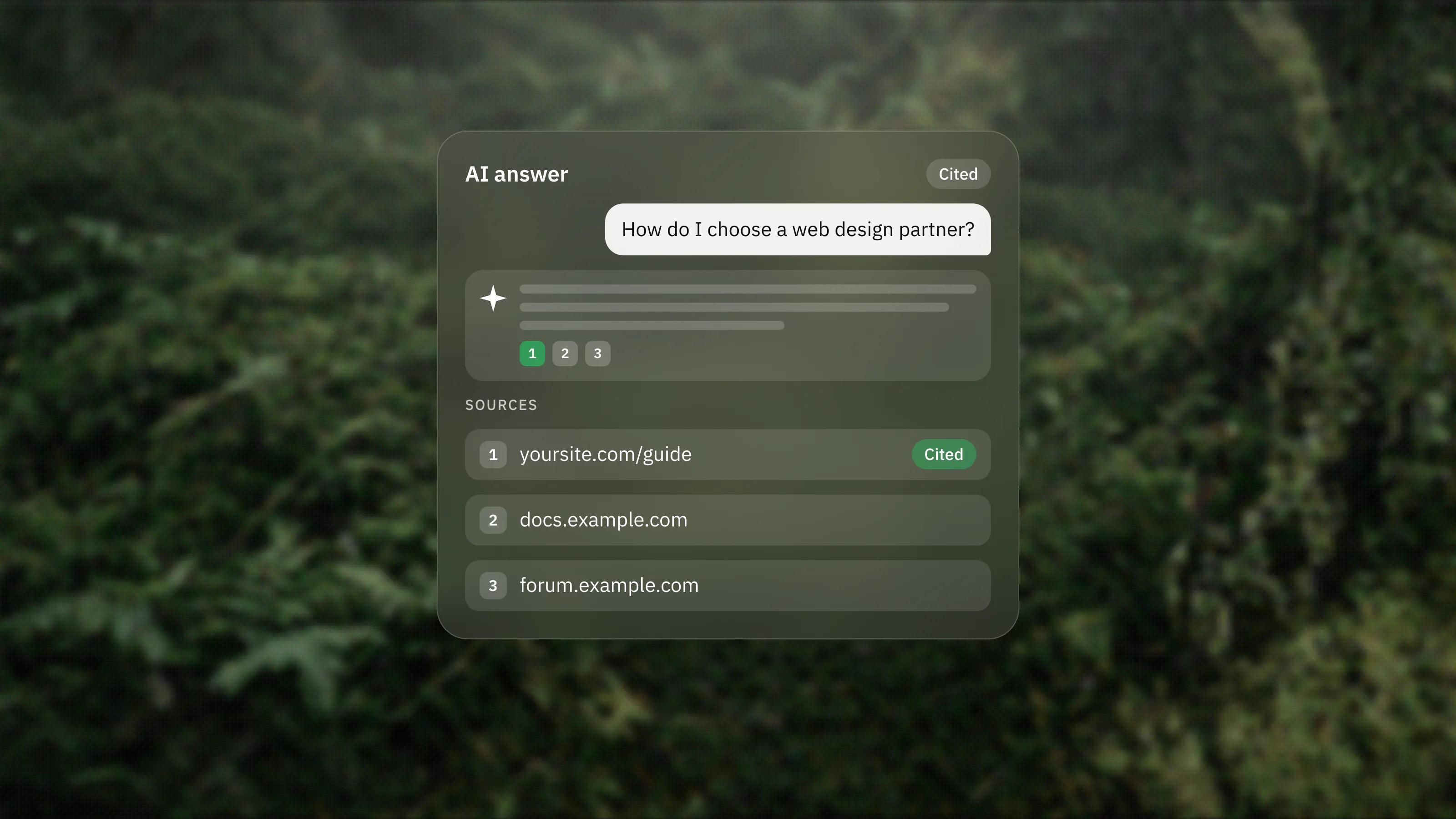
Generative Engine Optimisation is how you get cited by ChatGPT, Perplexity and other AI assistants. Here are the verified tactics that help.
 Written byMatt Gemi, Founder, Urest
On this page
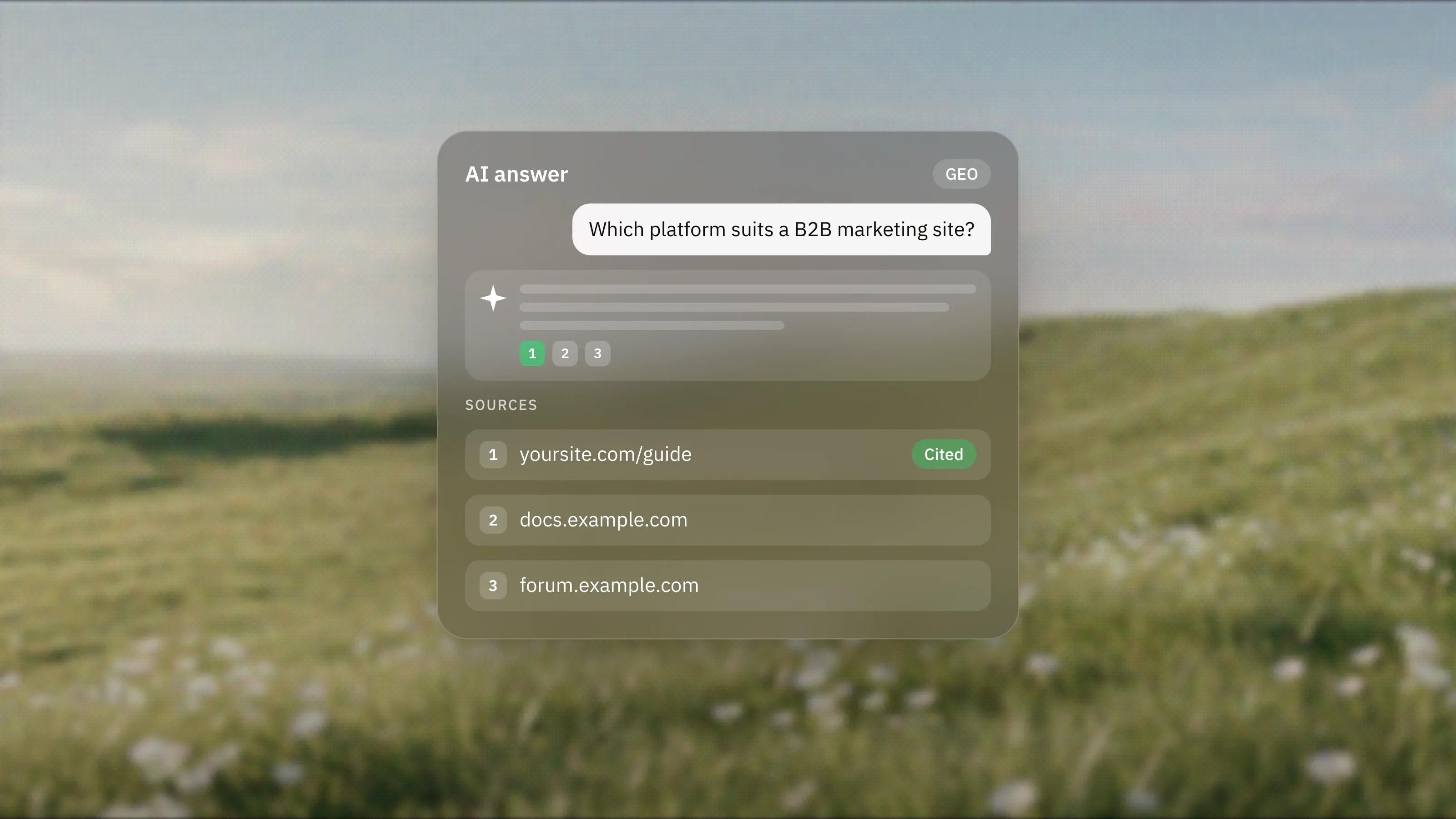
To get cited by ChatGPT and other AI assistants, you optimise your content for how these systems select and quote sources, a practice known as Generative Engine Optimisation (GEO). The goal is to become one of the pages an assistant names when it answers a question in your field. Much of it overlaps with good SEO, with a sharper focus on being quotable and easy to trust.
Where the term GEO comes from
GEO is not marketing jargon invented by an agency. The term comes from the research paper "GEO: Generative Engine Optimization", first published in 2023 and presented at KDD 2024. The authors' controlled experiments showed that deliberately structuring content, adding relevant citations, quotations and clear statistics, measurably increased how often it appeared in generative answers, with the paper reporting visibility gains of up to 40 percent in its benchmark. That gives the field an actual evidence base rather than guesswork.
How assistants pick sources
Different tools work differently. Some, like Perplexity and ChatGPT's search features, retrieve live web pages and cite them. Others lean more on training data and bring in fewer live sources. The common thread is that they favour content that is clear, well structured, credible and directly relevant to the question. Your job is to be the cleanest, most trustworthy answer available on your topic.
Tactics that hold up
Based on the research and on how these systems behave:
- Make sure the crawlers can reach you. The most common self inflicted mistake is a robots.txt that blocks the crawler an assistant uses for search. For ChatGPT that is OAI-SearchBot; GPTBot only governs model training, and blocking Google-Extended does not affect Google Search. Audit your robots file and confirm you are allowing the ones you want.
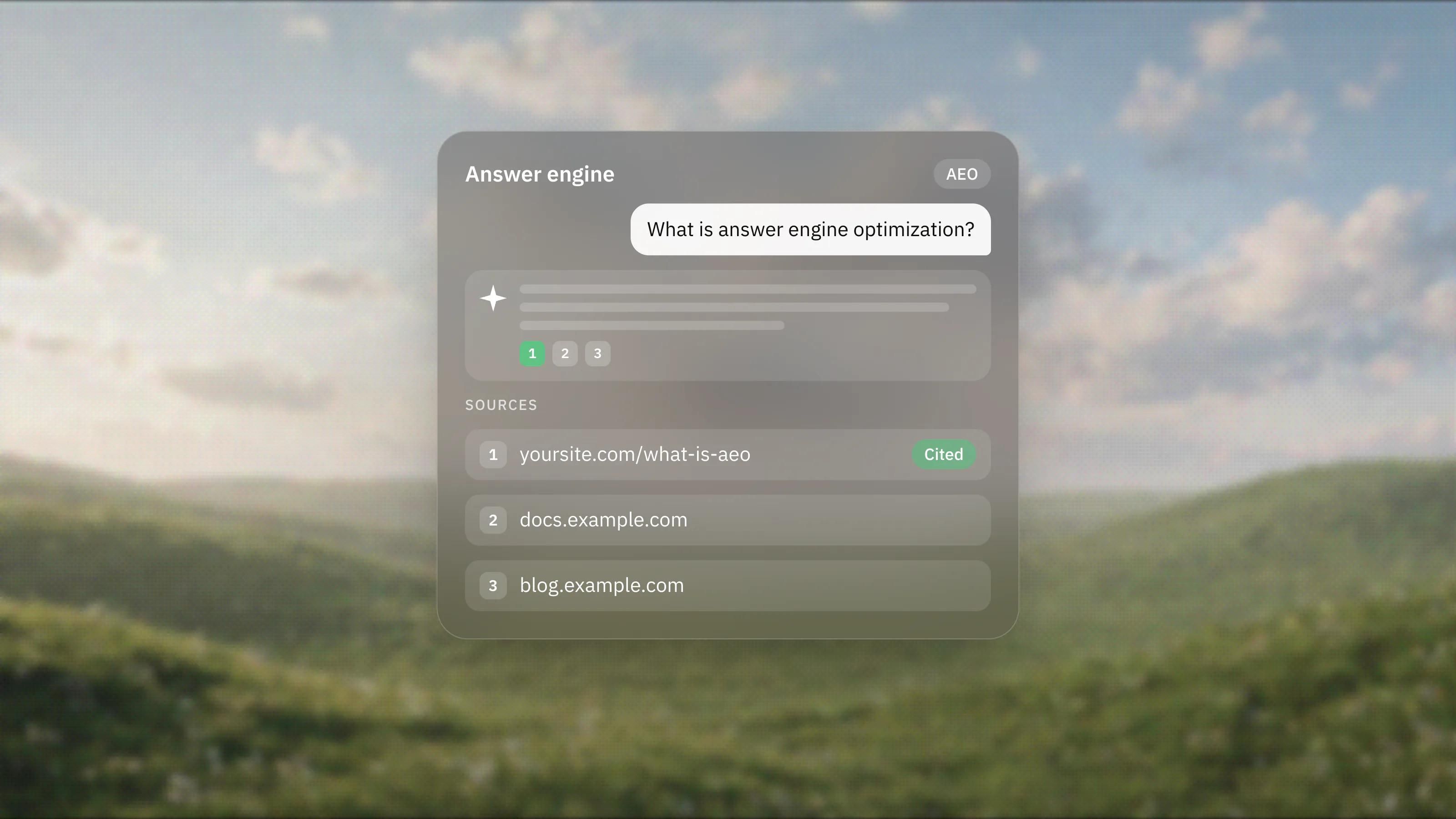
- Answer questions cleanly. Lead with a direct answer under a question shaped heading, then support it.
- Cite and quantify. Include relevant, accurate figures, sources and quotations. The research found these specifically improve visibility.
- Build entity authority. Genuine mentions and citations of your brand across reputable sites help assistants recognise you as a real, credible entity.
- Keep facts accurate and current. Assistants avoid sources that read as thin or dated, and being wrong is worse than being absent.
What to be sceptical about
GEO is young, and a lot of published statistics about AI referral traffic are vendor numbers you cannot independently verify. Be wary of anyone guaranteeing citations or selling a one file shortcut. There is no submission form that makes ChatGPT quote you. What works is credible, well structured content that the crawlers can actually access, which is durable regardless of how the tools evolve.
A sensible starting point
List the questions your buyers ask an assistant before they choose a provider. Write a clear, well sourced page for each, confirm your robots rules allow the relevant crawlers, and keep the content accurate over time. That covers the fundamentals that every generative engine rewards.
At Urest we handle the technical setup and the content structure together, so crawl access, performance and quotable copy are not three separate projects. If you want help getting your site into that shape, book a discovery call and we can plan it with you.