
SEO for Startups: Where to Start With a Small Team
SEO for startups with a small team: the few things that actually move the needle early, from indexing basics to focused content and technical hygiene.
 Written byMatt Gemi, Founder, Urest
On this page
With a small team and no dedicated SEO person, the temptation is to either ignore SEO entirely or try to do everything at once. Neither works. The right move is to get a few high leverage things right and let them compound. Here is where a startup should actually start.
How do you make sure Google can find your site?
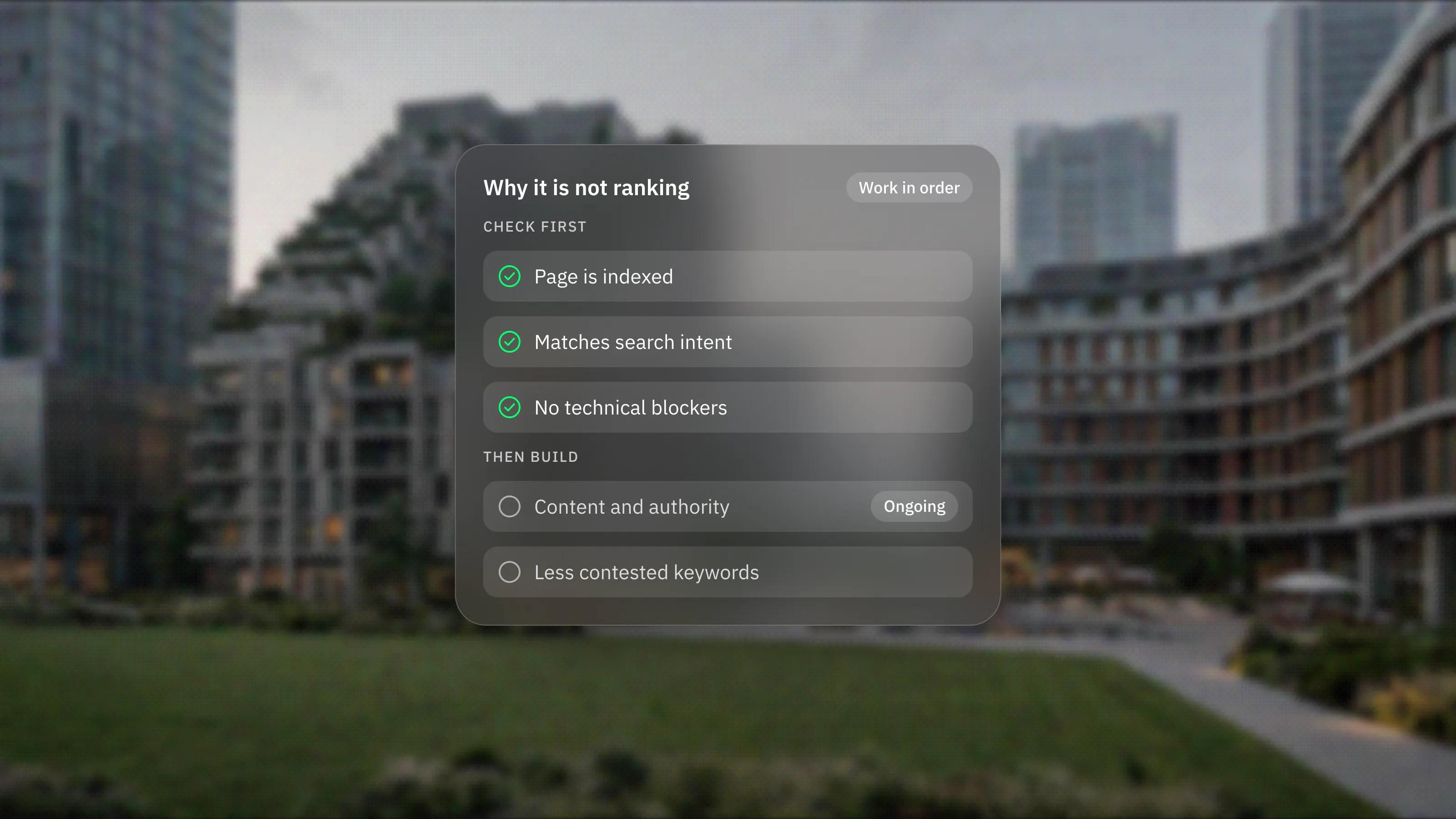
Confirm your important pages are indexed, that you are not carrying a stray noindex tag or a robots rule left over from staging, and that each page has a clear, descriptive title. This sounds basic, but plenty of new sites accidentally block themselves. Set up Google Search Console early. It is free and it tells you exactly which pages Google has indexed and which queries you already appear for.
How many keywords should a startup target?
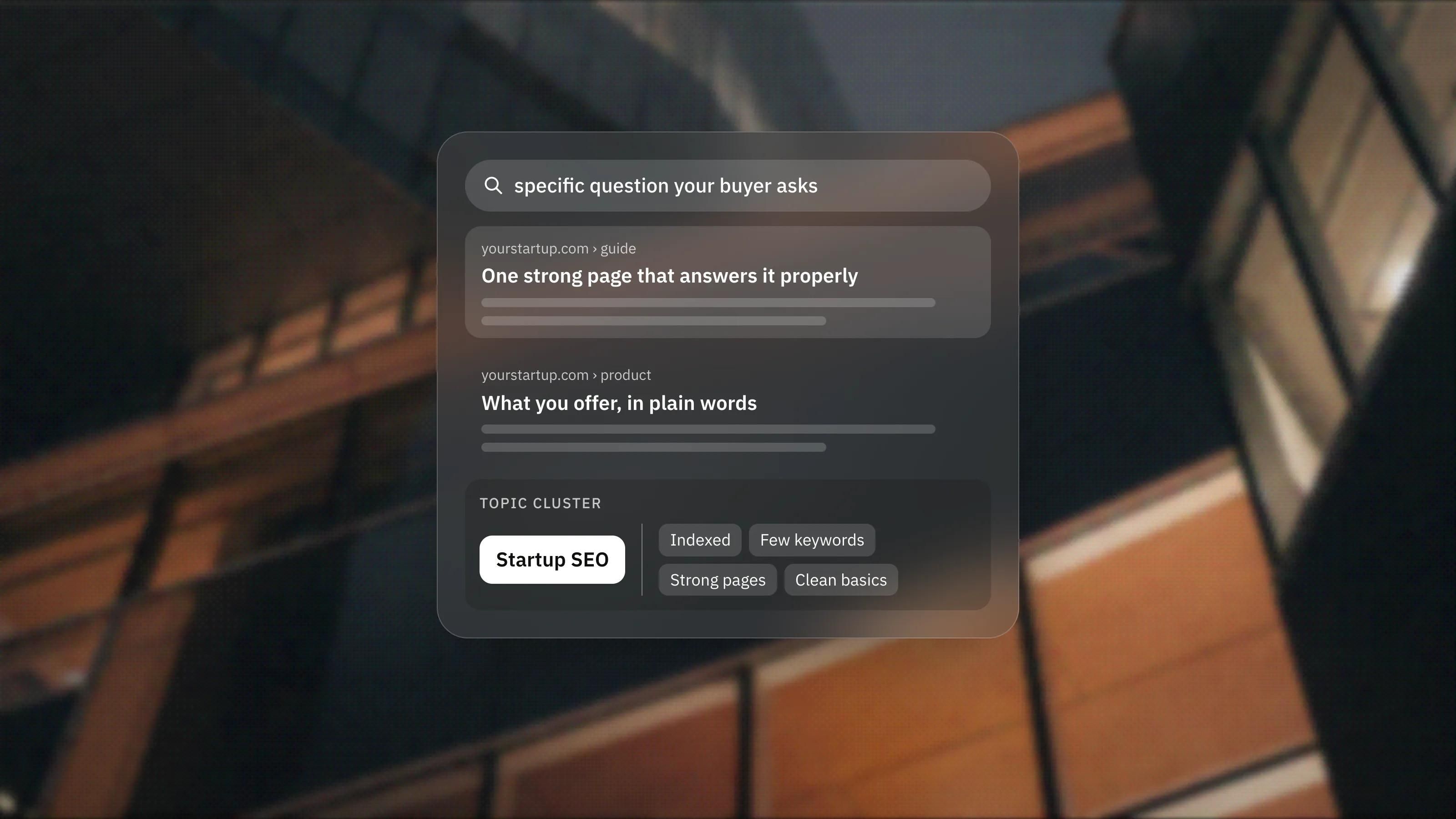
A small set: keywords where the intent is clear and the competition is realistic for a new site, usually more specific, longer phrases tied directly to what you offer. You cannot outrank established players on their biggest terms early on, and trying to spreads you too thin. Winning a handful of those beats finishing on page five for everything.
One strong page beats ten thin ones
A small team wins on focus, not volume. A single page that genuinely answers a question better than the current results will do more for you than ten shallow posts written to hit a quota. Write for the person searching, cover the topic properly, and make the page easy to scan with clear headings.
What technical SEO does a startup actually need?
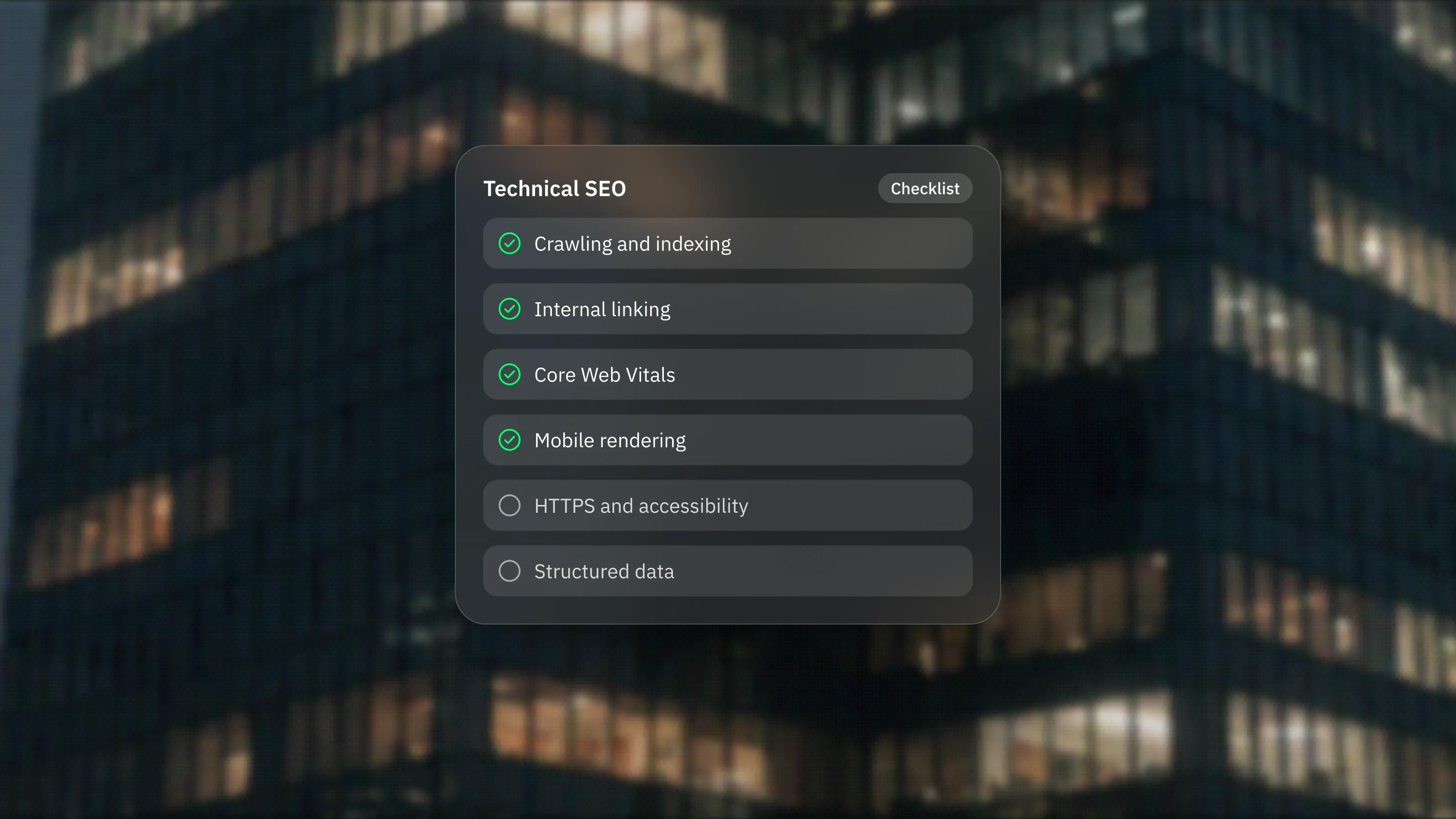
You do not need a complex technical setup, but the fundamentals matter: fast loading, works well on mobile, sensible page structure, and internal links between related pages so both readers and search engines can move around. Building on a platform that handles hosting, a CDN, and image optimisation for you removes a lot of technical SEO work before you start, which is one reason we default to Framer for early stage teams.
Do startups need a separate strategy for AI search?
No. Clear questions as headings, a direct answer right after each one, and accurate, plain language make your content easy for both readers and models to use. People increasingly get answers from AI assistants and search summaries, not just ranked links, and the same content serves both. Never invent statistics or claims to seem authoritative, because it damages trust and can be caught.
Be patient and consistent
SEO is slow, especially for a new domain with little authority. Results build slowly, and the teams that win are the ones that keep publishing useful pages and earning the occasional genuine mention rather than expecting an overnight jump. Set the expectation internally so nobody kills the effort right before it starts working.
If you are a startup and want an SEO foundation that fits a small team, without the bloat, we build it into our design, development and growth work. Book a discovery call and we will help you decide what is worth doing first.
Frequently asked questions
What should a startup do first for SEO?
Make sure Google can find and read the site. Confirm your key pages are indexed, remove any stray noindex tag or staging robots rule, and set up Google Search Console, which is free.
Should a startup go after competitive keywords?
Not at first. Pick a small set of specific, longer phrases with clear intent and realistic competition, and win those before chasing the terms established players own.
Is it better to publish lots of posts or a few strong pages?
A few strong pages. One page that genuinely answers a question better than the current results does more than ten shallow posts written to hit a quota.
Does the platform a startup builds on affect SEO work?
It can remove a lot of it. A platform that handles hosting, a CDN and image optimisation for you takes care of much of the technical groundwork before you start.