






How long does it take to build a website?
How long a website takes with us: one to two weeks on average, about a month for complex projects, and what decides where yours lands.
 Written byMatt Gemi, Founder, Urest
It depends on the scope and on how ready you are, but most websites we design and develop take one to two weeks. Below is what decides where your project falls, and how to keep it moving.
How long does a website take with Urest?
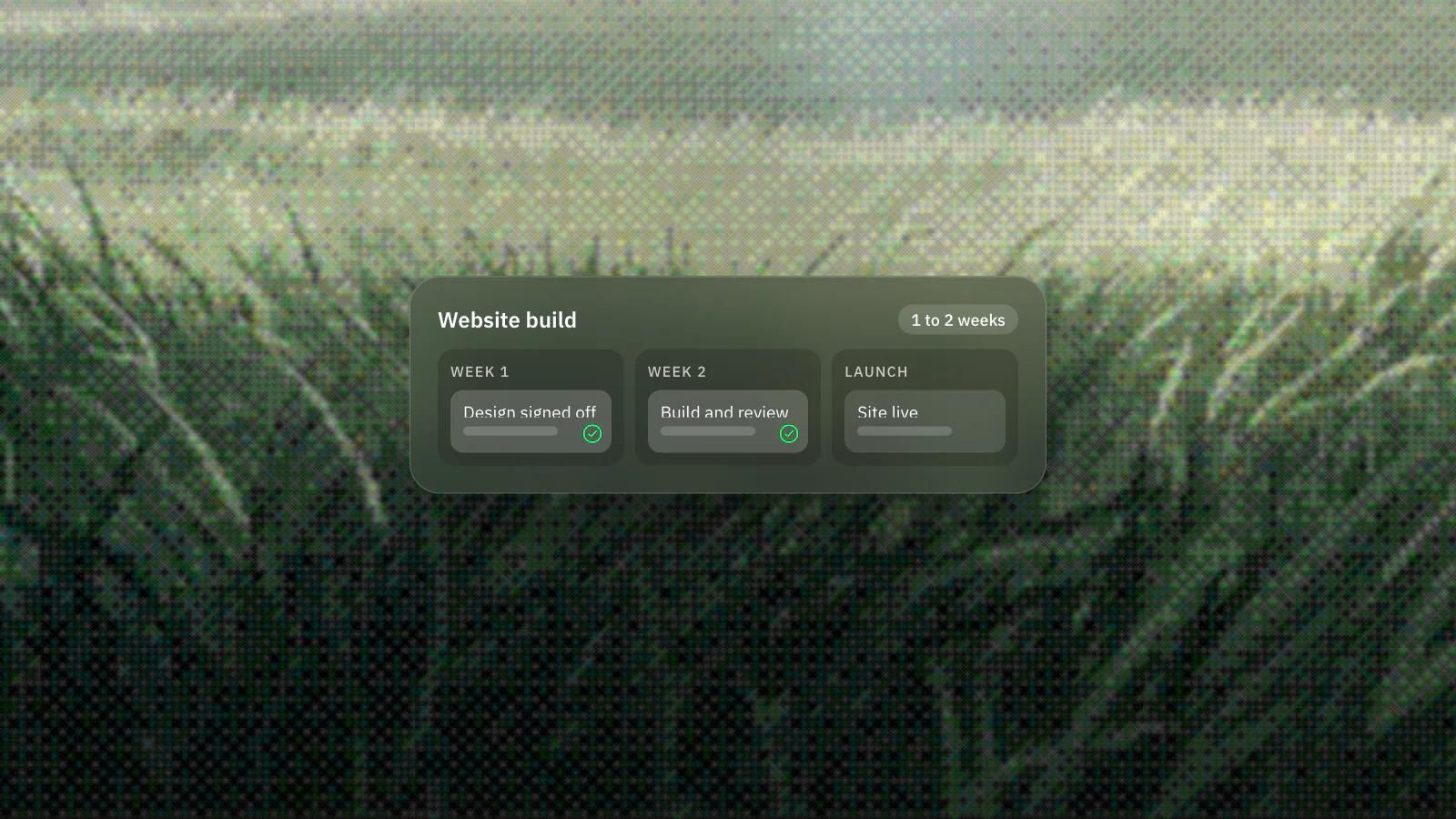
On average, one to two weeks from start to launch. Complex projects take about a month, and enterprise work can take longer:
- Fastest: we have designed and developed projects from zero in three days.
- Most projects: one to two weeks, design and development.
- Complex projects: about a month.
- Enterprise projects: can take longer.
Do you work project by project or in sprints?
We work project by project, and we can run the work in sprints when that suits your team better. What sets us apart is speed, and a process shaped around how your team works rather than a fixed template.
What decides how long a website takes?
Two projects of the same size can finish weeks apart, and the difference is rarely the code itself. The biggest factors are scope, content, feedback speed, and technical complexity.
Scope and page count
More pages and more unique layouts mean more design and build time. Ten templated pages are quick. Ten bespoke pages, each designed from scratch, are not.
Content readiness
Waiting on copy, images, and product data is the most common reason we see projects stall. If your content is ready at kickoff, everything moves faster. If it is not, the timeline waits for it, no matter how quick the team is.
Feedback and decisions
Every round of review adds time, and slow or scattered feedback adds the most. Projects with one clear decision maker who responds promptly finish noticeably sooner than those where approval crawls through a committee.
Technical complexity
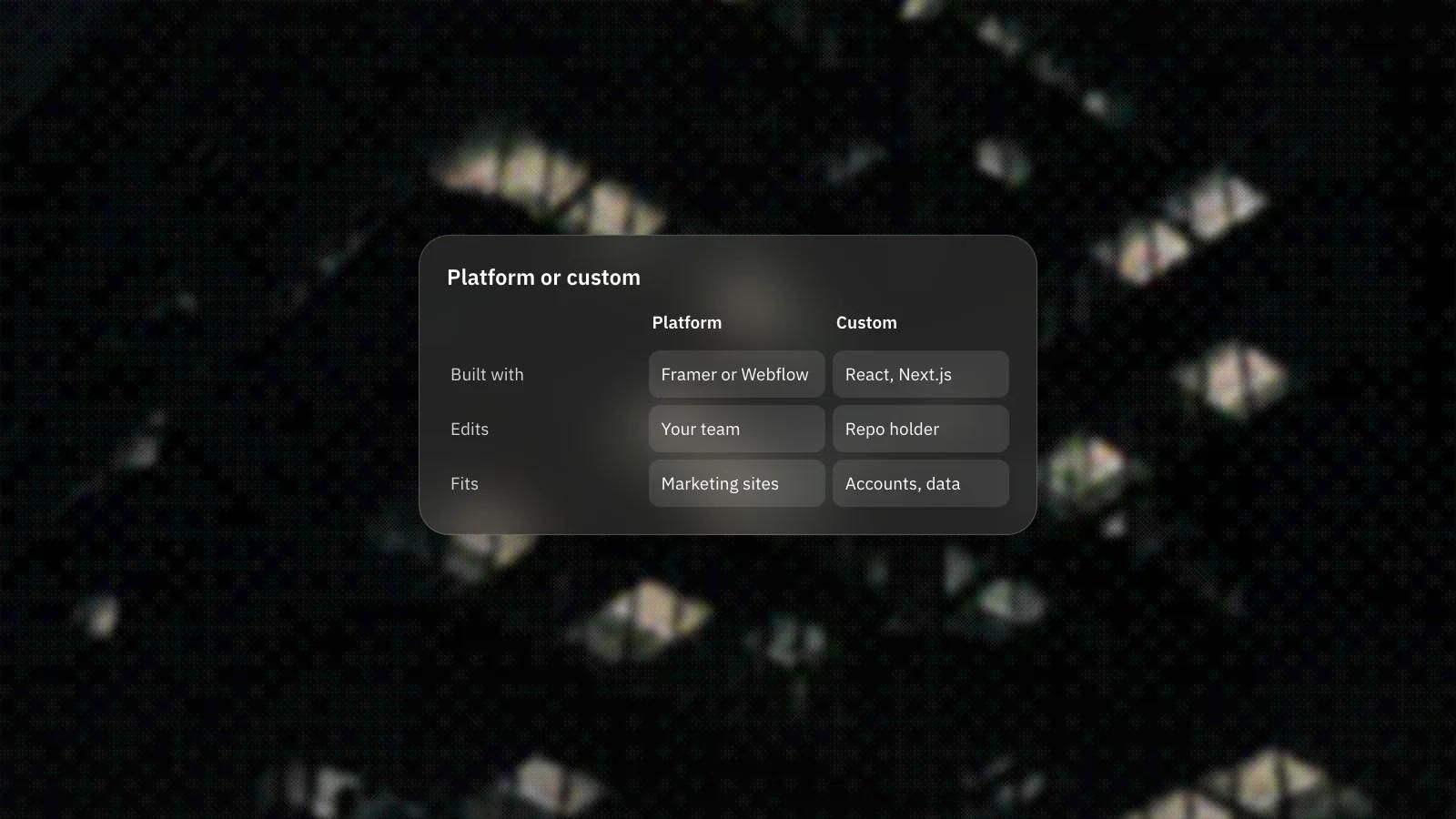
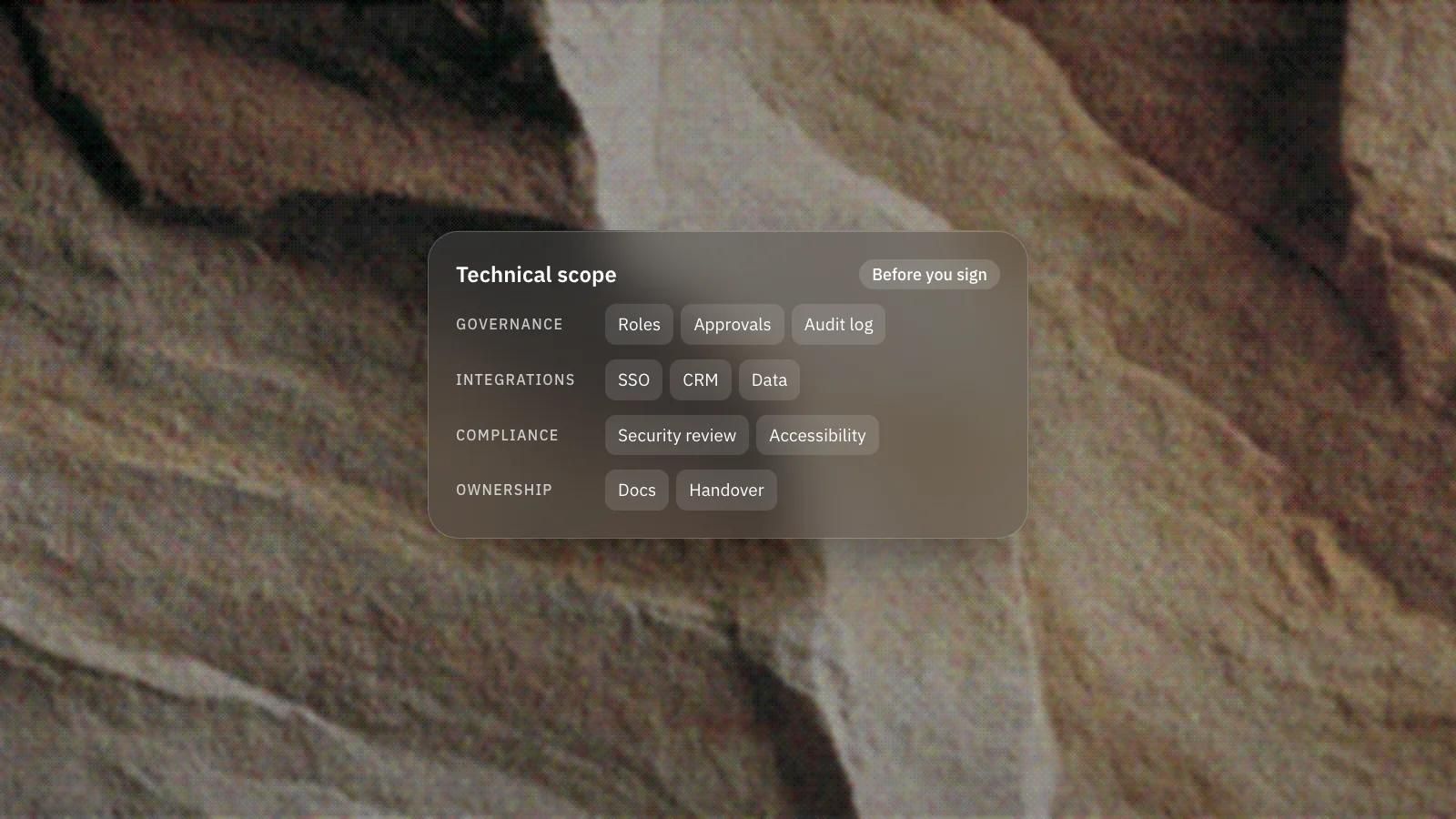
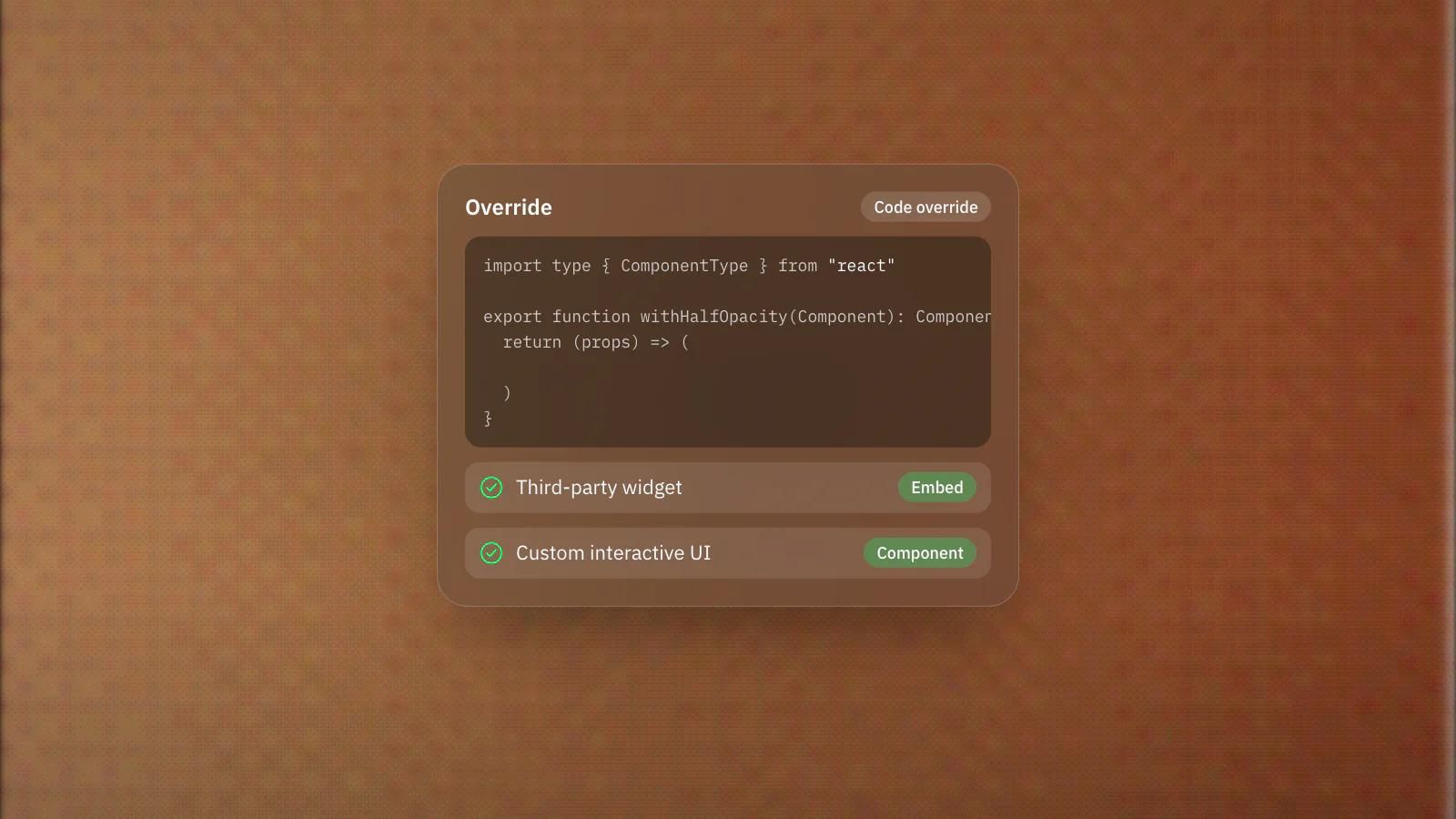
Standard pages on a platform like Framer or Webflow are fast to build. Custom functionality, integrations with other systems, multiple languages, or a custom React or Next.js application all add engineering and testing time.
Does the platform change the timeline?
Yes. Modern site builders have genuinely shortened timelines for most marketing websites. A capable team can ship a polished, fast, editable site on Framer or Webflow far quicker than the old fully custom route, without cutting corners on quality. Custom development still has its place for complex products, but for a typical business site it often adds time you do not need to spend. It is also worth remembering that a slightly longer, well managed build usually beats a rushed one, since fixing a site that launched half finished tends to cost more time than doing it properly the first time.
How can you keep your project on time?
Most delay you can control comes from content, feedback and scope, so four habits keep a build on schedule.
- Have your content and brand assets ready before the build starts.
- Name one decision maker to give consolidated feedback.
- Agree the scope up front and park new ideas for a later phase.
- Reply to review requests quickly, since the clock often waits on you.
Do those four things and you remove most of the delay that is within your control.
If you want a realistic timeline for your specific site, book a discovery call and we will give you an honest estimate based on what you actually need.
Frequently asked questions
How long does it take Urest to build a website?
Most of our projects take one to two weeks for design and development. Complex projects take about a month, and enterprise projects can take longer.
Can a website really be built in three days?
Yes. We have designed and developed projects from zero in three days. A timeline that short depends on a clear scope and content that is ready at kickoff.
Do you work in sprints?
We work project by project, and we can run the work in sprints when that suits your team. We shape the process around your team's needs.
What slows a website project down most?
Waiting on copy, images and product data is the most common reason we see projects stall. Slow or scattered feedback adds the most time during review.